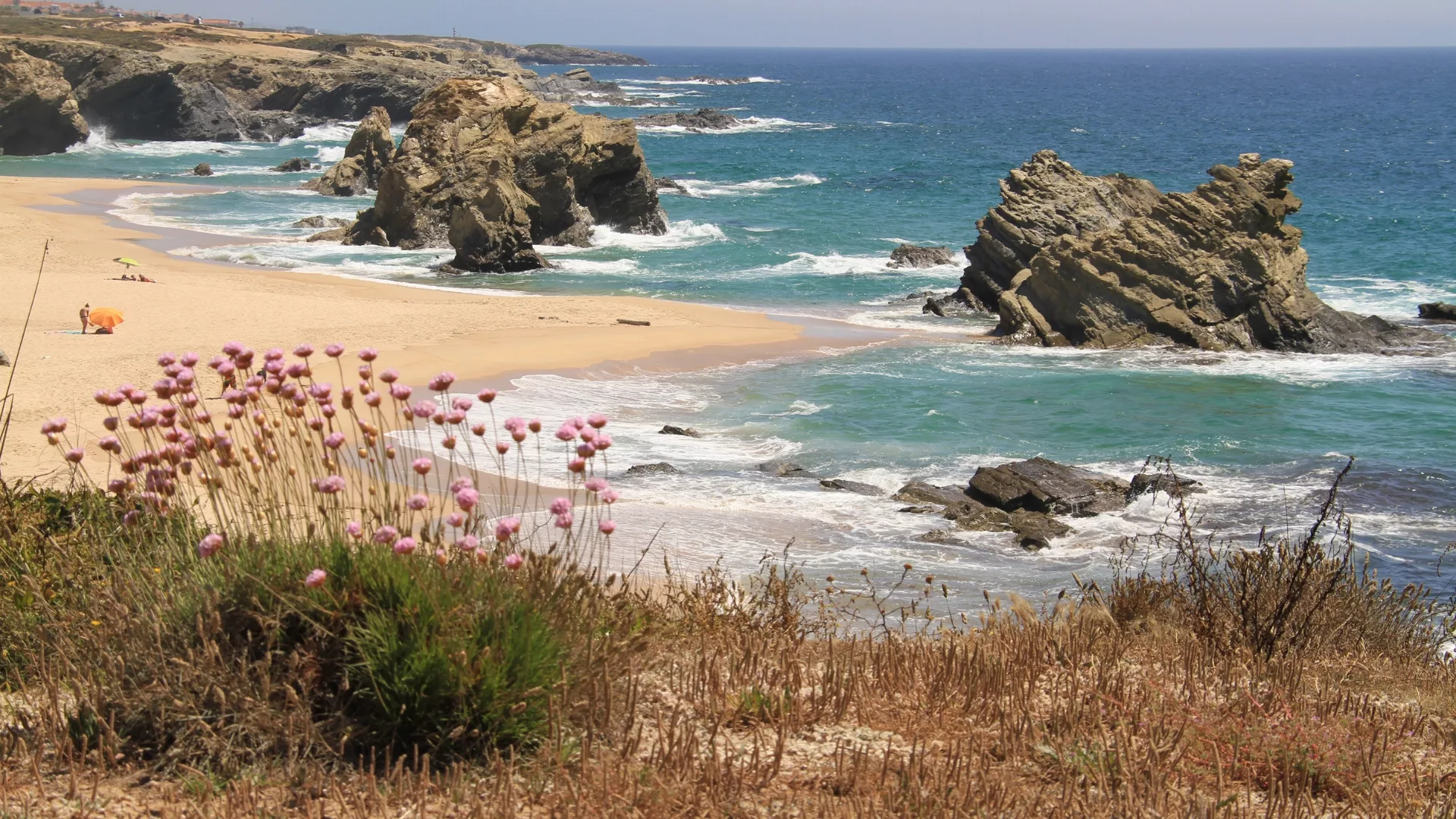
Portugal’s coastline is a treasure for those who love nature and authentic experiences, from the rugged cliffs of the north to the golden sands of the south. While famous names like Praia da Rocha or Carcavelos attract most visitors, secret beaches in Portugal reveal a wilder, quieter side of the coast where the waves speak louder than the crowds.
Hidden among cliffs, rivers and fishing villages, these places offer space, silence and pure scenery. If you want to discover a more intimate Portugal, these five beaches combine natural beauty, seclusion and authenticity.
Amoreira Beach: Where River Meets the Sea
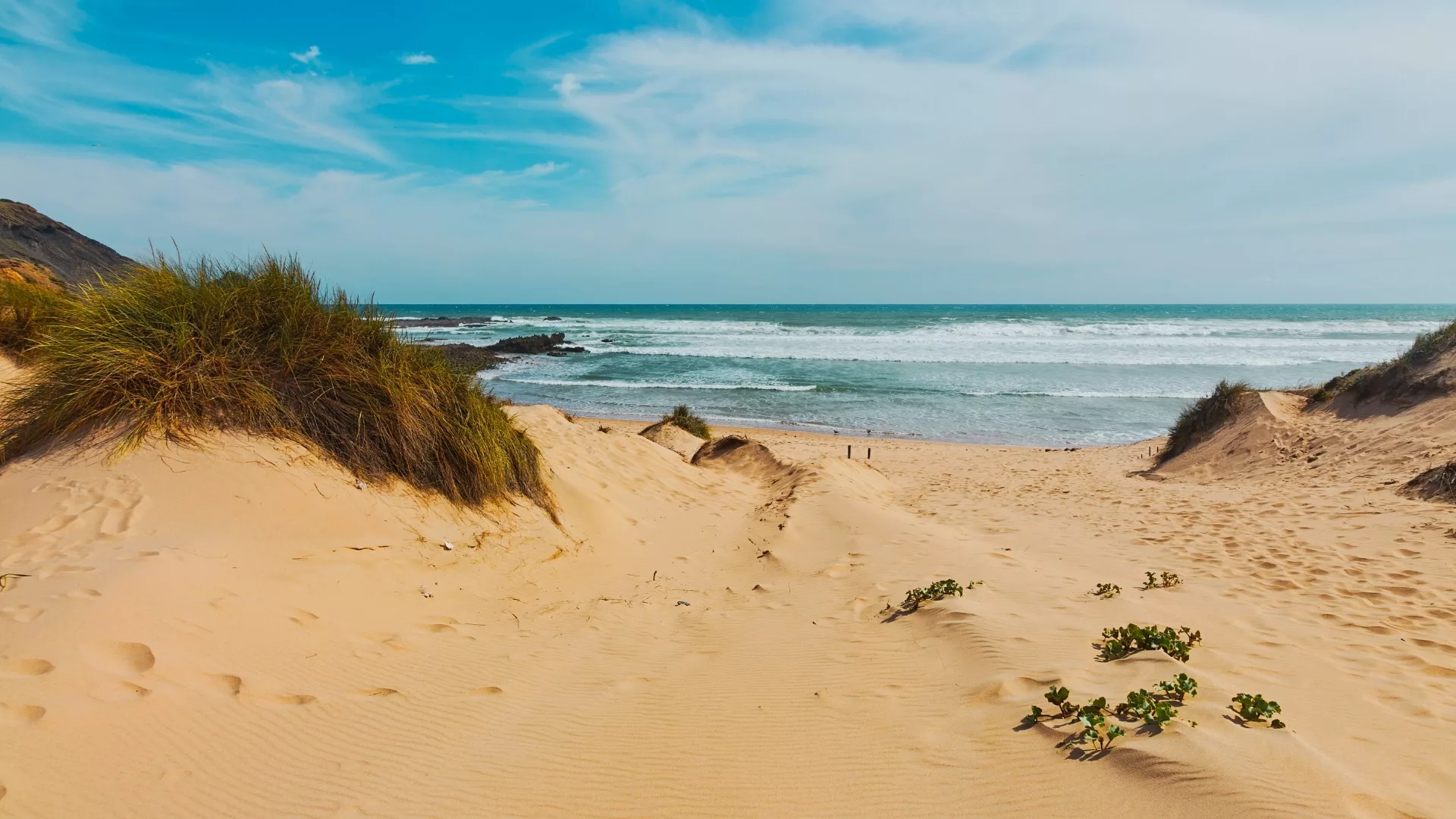
Located in the Costa Vicentina Natural Park in the Algarve, Praia da Amoreira is a unique meeting point between the Aljezur River and the Atlantic Ocean. You can reach it by car from Aljezur in about 10 minutes, following a scenic road through the countryside. Parking is available near the sand, although in summer it can fill up quickly.
On one side, the calm river pools are perfect for swimming, paddleboarding or letting children play safely, while the ocean side brings stronger waves ideal for surfing and bodyboarding. The wide golden sands invite long walks and the surrounding dunes are a paradise for photographers, especially at sunrise when the light turns the water silver and gold.
Samoqueira Beach: A Hidden Jewel in Porto Covo
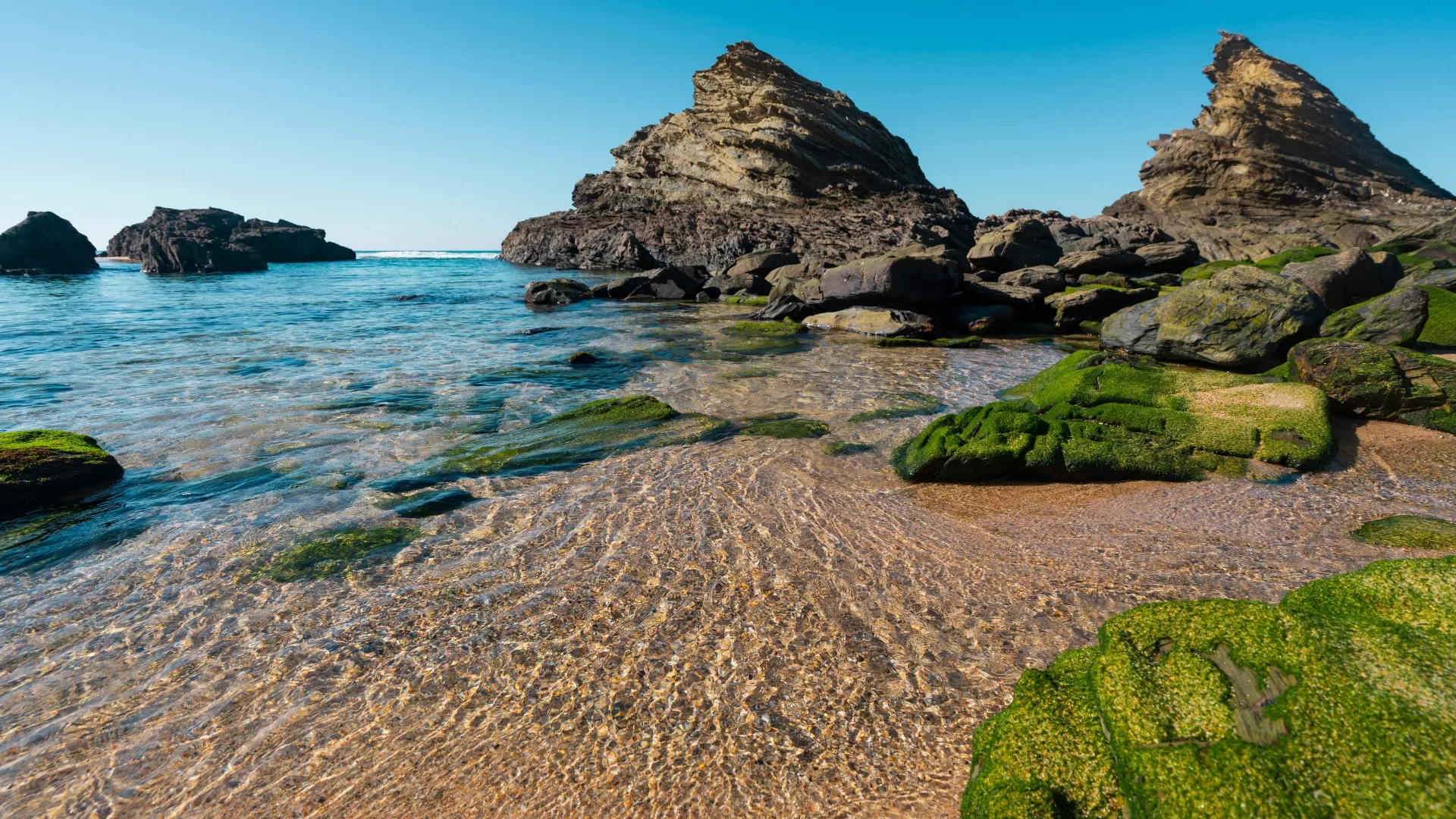
On the Alentejo coast, close to the fishing village of Porto Covo, lies Praia da Samoqueira, a small sheltered bay surrounded by cliffs shaped by wind and sea over centuries. To get there, drive to Porto Covo and follow the signs towards the southern beaches, where you will find a path leading to a steep staircase carved into the rock.
This limited access keeps the beach quiet even in high season. The crystal-clear water is perfect for swimming on calm days, and at low tide you can explore natural arches and small caves. It is a romantic escape, ideal for couples who want to enjoy a picnic with their feet in the sand while listening to the waves echoing between the rocks.
Barranco Beach: Wild Beauty Near Sagres
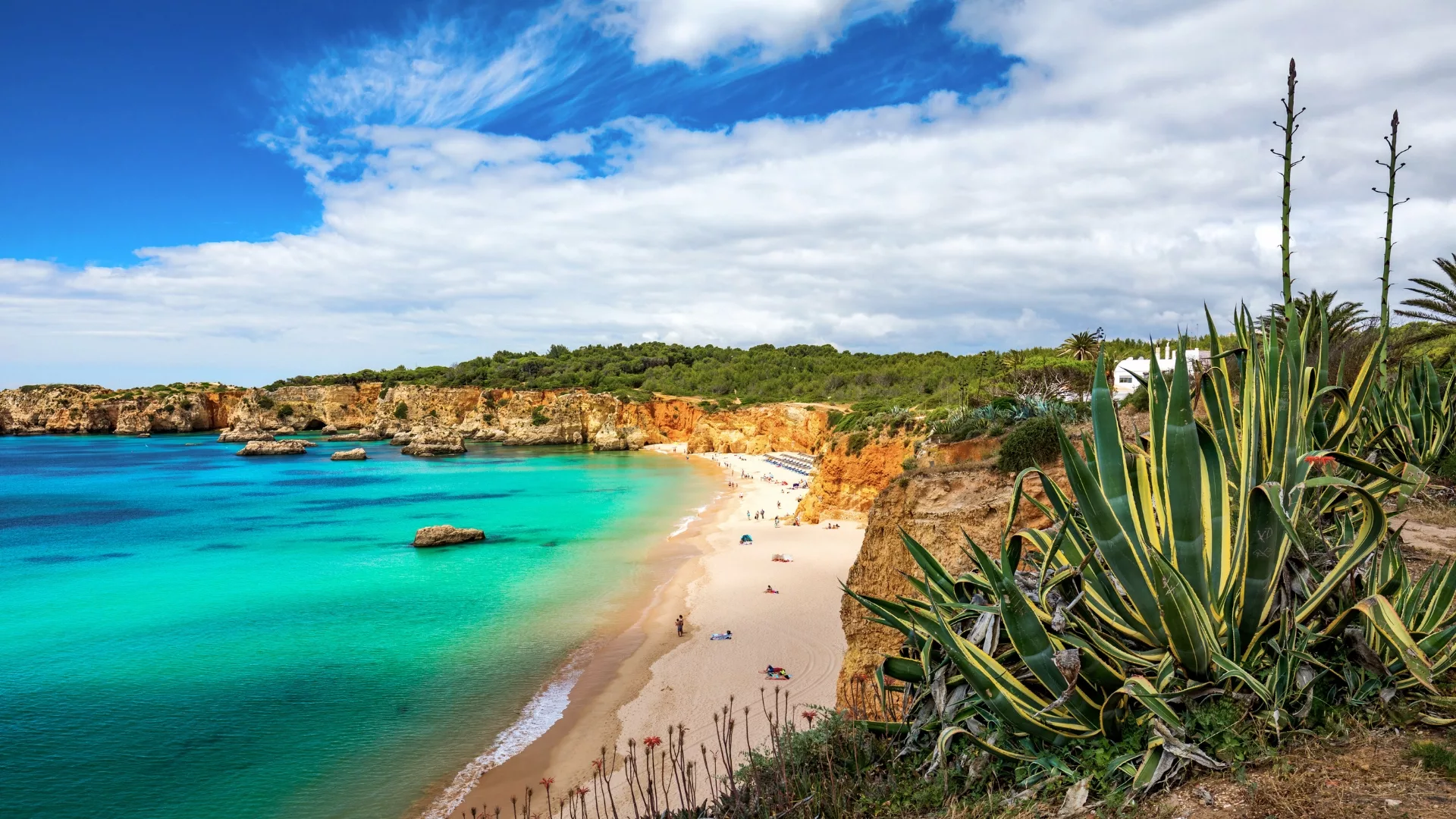
Just a few kilometres from Sagres, in the Algarve’s southwestern tip, Praia do Barranco offers an untamed landscape of pebbles, cliffs and powerful Atlantic waves. Access is only via a long dirt track, so a car with good clearance is recommended, and the remoteness means there are no facilities.
This is a favourite among surfers who want to escape the crowded breaks and travellers in campervans who spend the night under a sky full of stars. The scenery is raw and peaceful, with cliffs that light up in warm tones at sunset. Bring everything you need for the day and be prepared for a sense of complete isolation.
Ursa Beach: The Beach of Legends
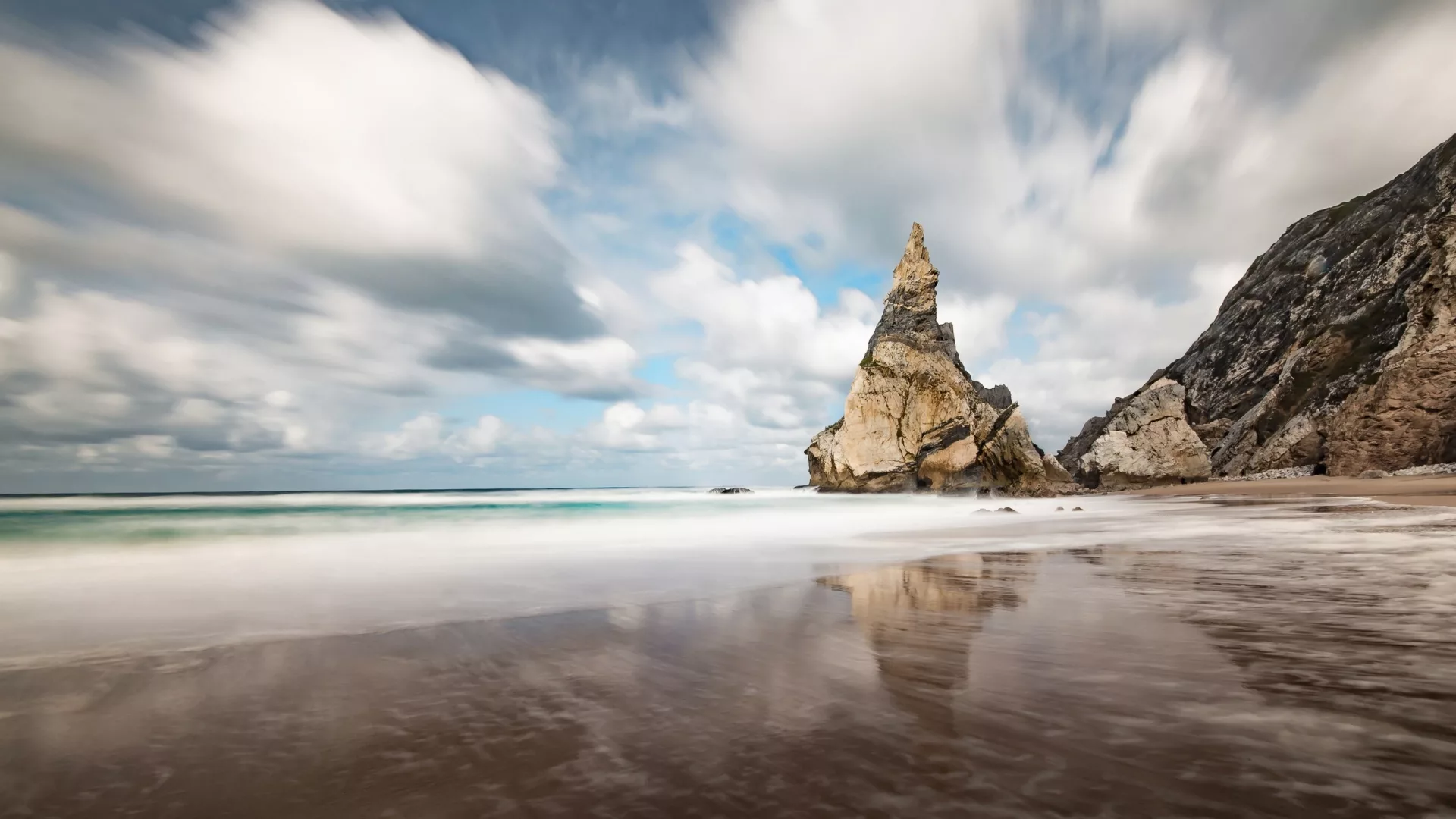
Near Cabo da Roca, the westernmost point of mainland Europe, Praia da Ursa is famous for its dramatic setting and a giant rock that resembles a bear. Getting here is part of the adventure: you will need to follow a steep trail from the roadside viewpoint, taking about 20 to 30 minutes on foot.
Good footwear is essential, as the path can be slippery. The reward is a beach untouched by commercial development, where the Atlantic crashes against jagged cliffs and every angle is a perfect photograph. It is best visited by those ready for a physical challenge and in search of raw, natural beauty.
Ribeira do Cavalo Beach: A Slice of the Tropics in Sesimbra
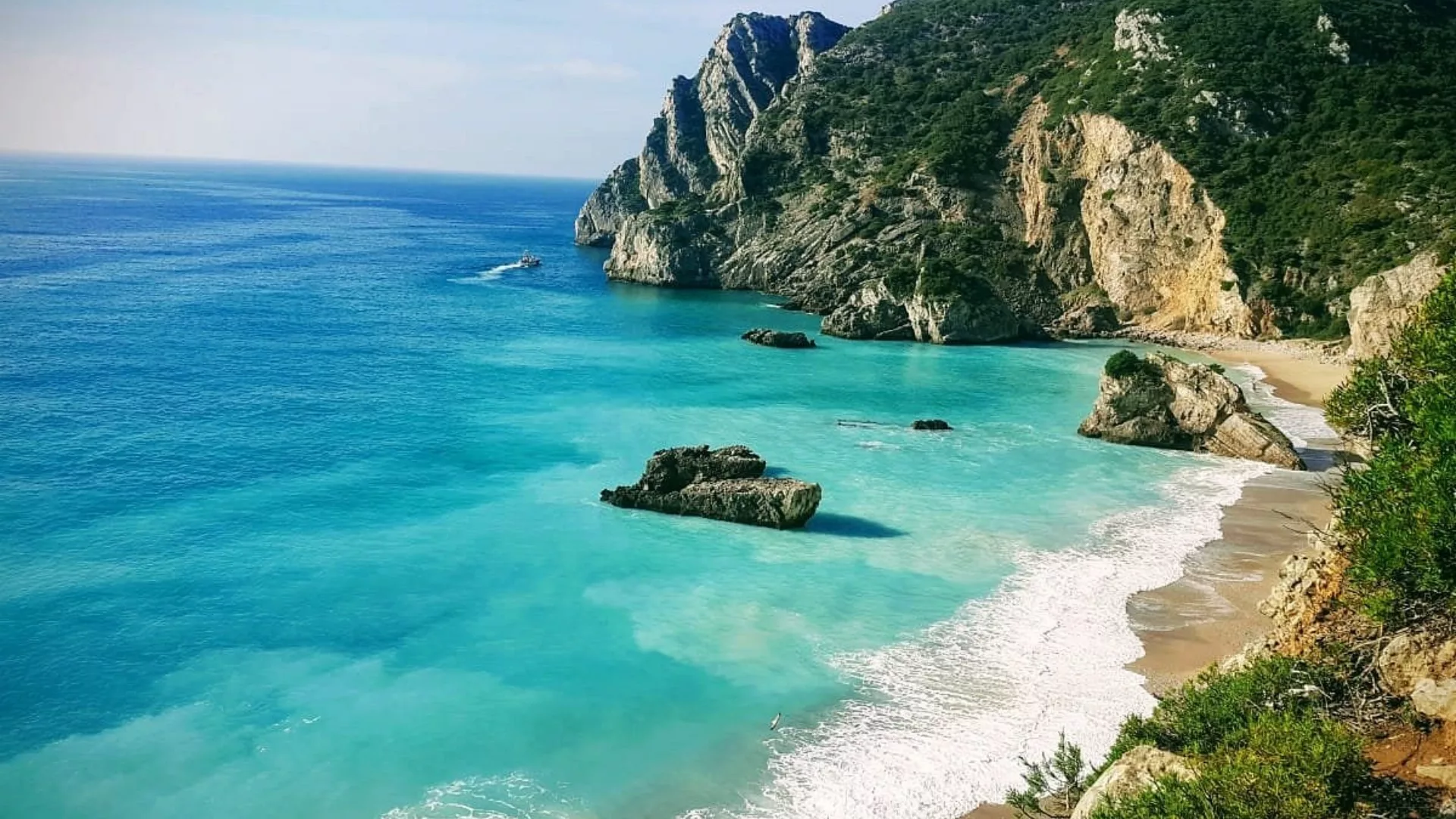
Just outside the fishing town of Sesimbra, Praia do Ribeiro do Cavalo is a pocket of paradise with turquoise waters, fine sand and towering limestone cliffs. You can reach it by hiking down a rocky trail that starts about two kilometres from the town, or by sea using a kayak, paddleboard or small boat.
Approaching from the water offers incredible views of caves and rock formations along the cliffs. The water is calm on most days, making it perfect for swimming and snorkelling, with plenty of marine life just offshore. As there are no facilities, pack food, drinks and sun protection before setting off.
From the Screen to the Sand
These five beaches are more than places to swim; they are immersive experiences where the journey is as rewarding as the destination. Visiting them means discovering Portugal’s wilder side, far from the crowds and close to nature’s rhythms. With Tuga Trips, you can explore these hidden gems without worrying about directions, parking or difficult access.
Our local guides know the safest routes, the best times to visit and the secret spots that make each location unforgettable. Let us take care of the details so you can simply enjoy the beauty of Portugal’s coast.
FAQ
1. What are the best months to visit secret beaches in Portugal?
The best time to enjoy Portugal’s hidden beaches is late spring (May–June) and early autumn (September–October), when the weather is warm, the water inviting, and the crowds are minimal.
2. Are secret beaches in Portugal safe for swimming?
Many hidden beaches have calm spots ideal for swimming, but others face strong Atlantic waves. Always check the local safety flags and conditions before entering the water.
3. How can I reach these secret beaches in Portugal?
Most hidden beaches are best accessed by car, allowing you to explore at your own pace. Some, like Ribeira do Cavalo, can also be reached by boat, kayak, or paddleboard for a unique approach.
4. Do these crowd-free beaches have facilities?
Most secret beaches in Portugal are wild and untouched, meaning no cafés, toilets, or lifeguards. Bring your own supplies and take your rubbish with you.
5. Which hidden beaches are family-friendly?
Praia da Amoreira is a great choice for families thanks to its calm river pools. Beaches like Praia da Ursa, with steep trails, are better suited for experienced hikers and adults.
6. Can I camp overnight on Portugal’s secret beaches?
Wild camping is generally restricted, but some remote spots may see discreet overnight stays. Always check local regulations before setting up camp.
7. What should I pack for a day at a secret beach in Portugal?
Bring plenty of water, snacks, sun protection, comfortable walking shoes, and any beach gear you may need. For Ribeira do Cavalo, a kayak or paddleboard offers the best approach.