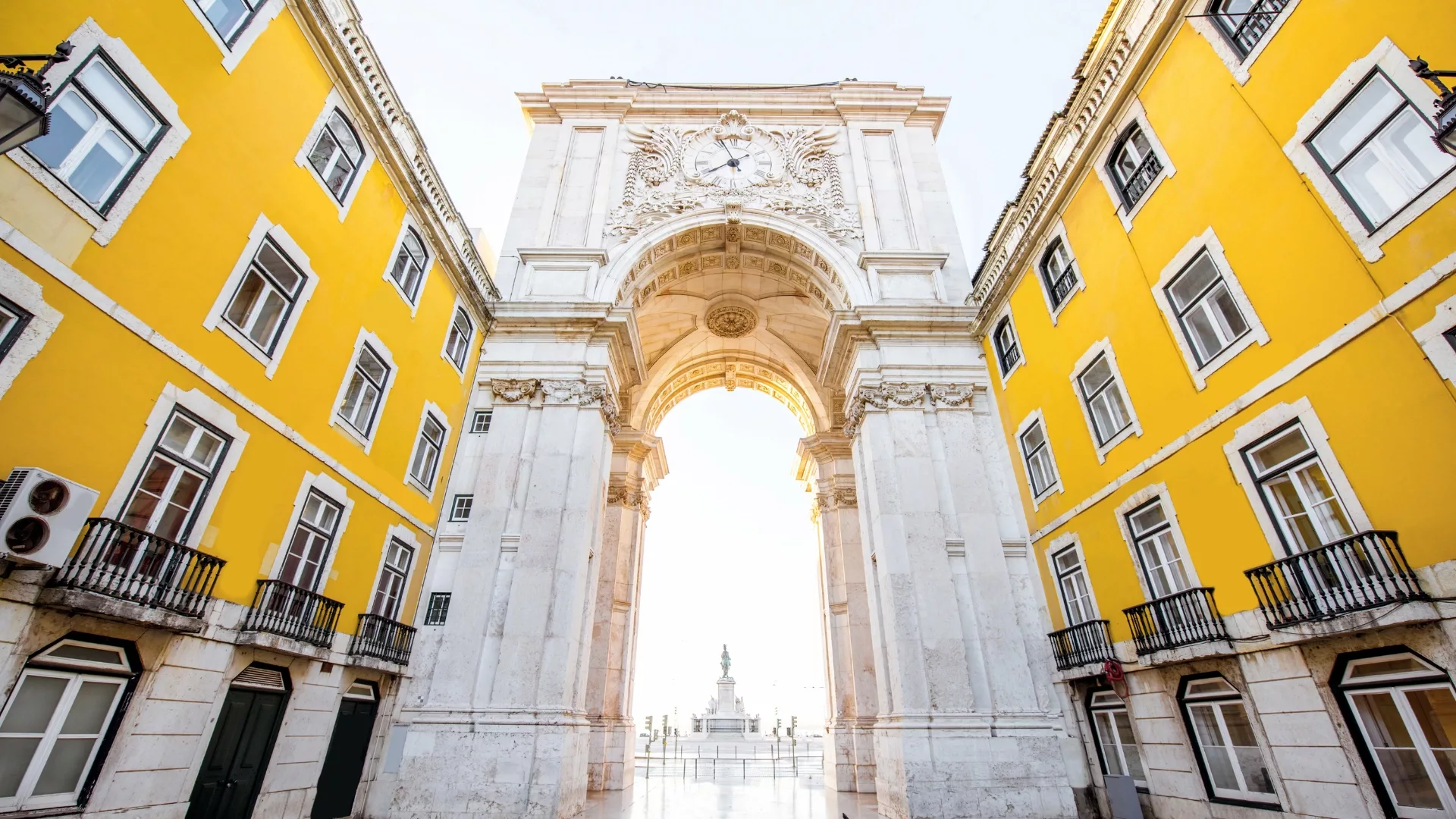
A story of survival, secrecy and sacred ambition
Some stories fade with time. Others become legends. And then there are stories that continue to breathe through stone walls, secret symbols and forgotten rituals. The story of the Knights Templar belongs to this last group. It begins in the heart of the Crusades but finds its most surprising chapter in the lands of Portugal.
While kingdoms across Europe turned against the Templars, condemning them as heretics and seizing their fortunes, Portugal made a bold and visionary choice. Here, the Templars were not erased. They were transformed.
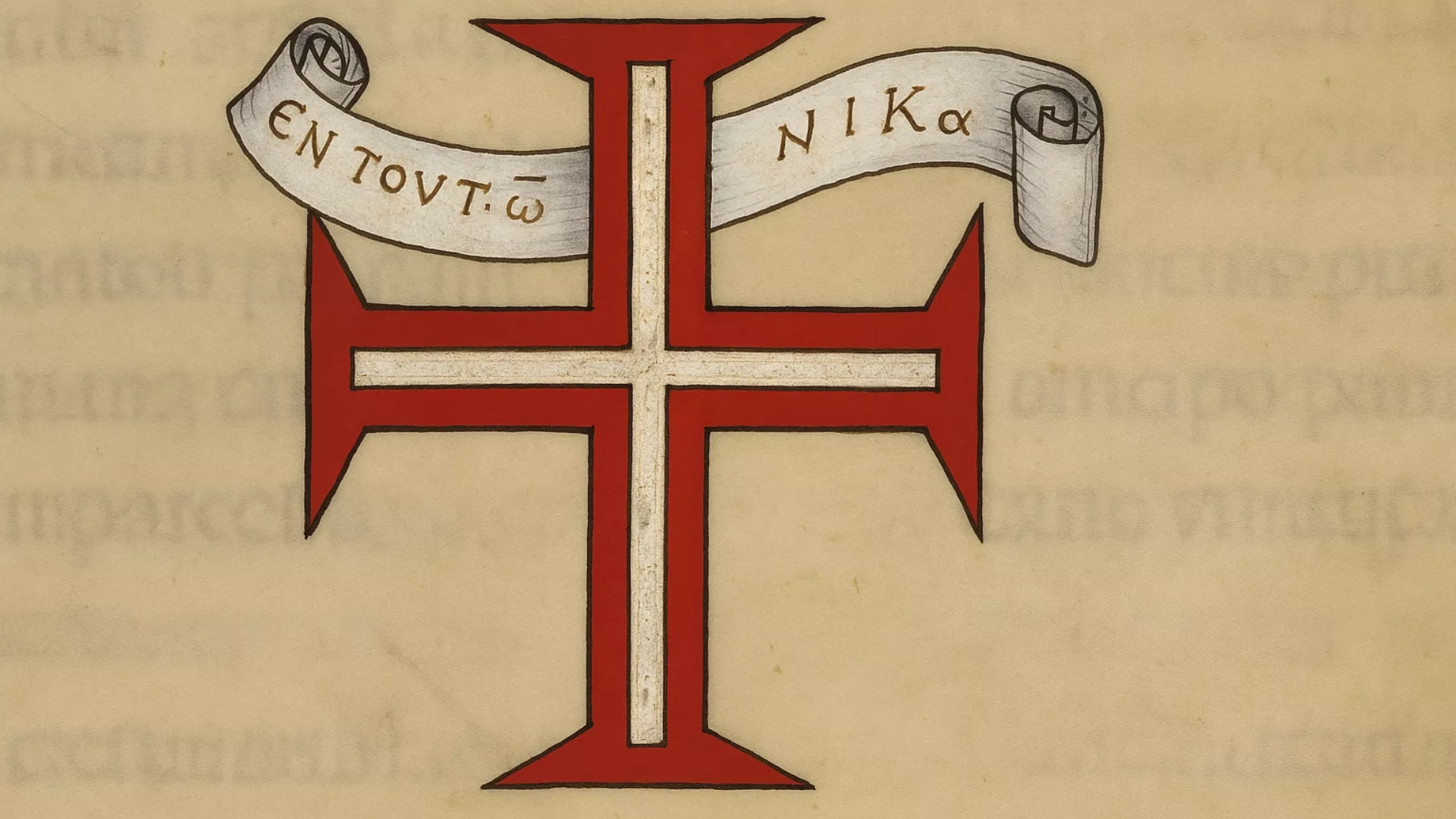
The Knights Templar were born in the twelfth century as a military order dedicated to protecting Christian pilgrims. Within a few decades they had become immensely powerful, managing land, building fortresses and even creating an early banking system. Their red cross became a feared and admired symbol of divine warfare. But that same power made them dangerous in the eyes of kings.
In 1307, under pressure from the French crown, Pope Clement ordered the dissolution of the Order. Across Europe, Templars were hunted, tortured and executed. Their properties were confiscated. Their legacy seemed lost. But Portugal, then a young and ambitious kingdom, chose a different path.
The Rebirth of the Order in Portuguese soil
King Dinis of Portugal refused to turn against the Templars. He saw their value, their discipline and their loyalty. Instead of persecuting them, he protected them. And with papal approval, he created a new order in 1319. The Order of Christ was born, and with it, the Templar spirit found refuge and continuity.
The knights remained on Portuguese soil, kept their lands and reorganised their mission under a new name. Their headquarters was established in the city of Tomar, in a magnificent complex that had already been a key Templar site. This would become the heart of the Order’s presence in Portugal, and one of the most important monuments in the country.
The Convent of Christ in Tomar
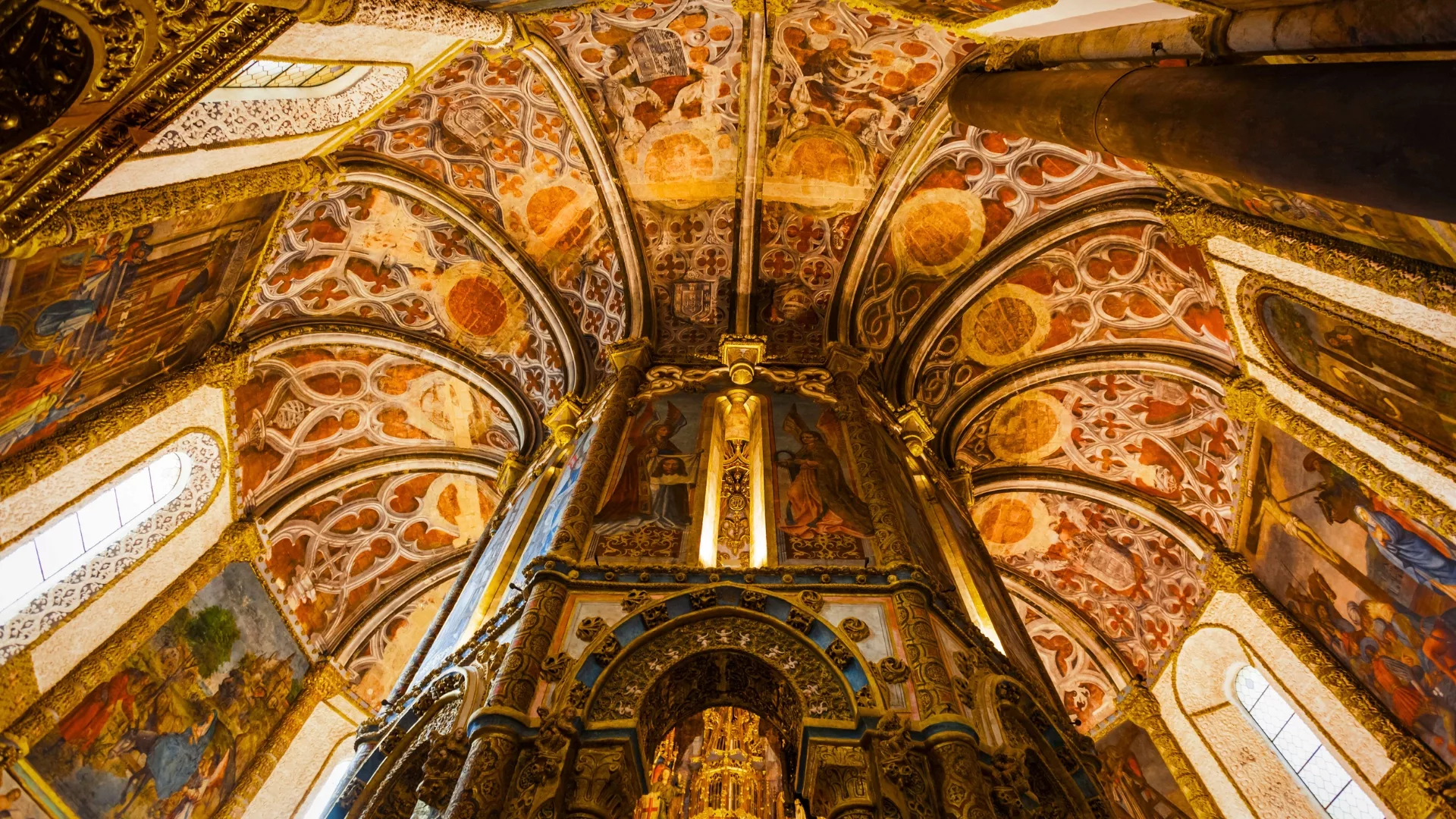
The Convent of Christ is not just a monument. It is a living book of symbols and sacred architecture. Its round church, the Charola, inspired by early Christian sanctuaries, is surrounded by chapels, cloisters and corridors that reveal centuries of devotion and mystery. The Manueline window carved in stone is one of the most iconic in the country, rich with maritime and religious symbolism.
Here, you do not just visit a place. You step into the hidden layers of time. The echoes of chants, the presence of knights in silent prayer, the weight of centuries of secrecy. All of it lingers in the walls of Tomar.
The Almourol Castle
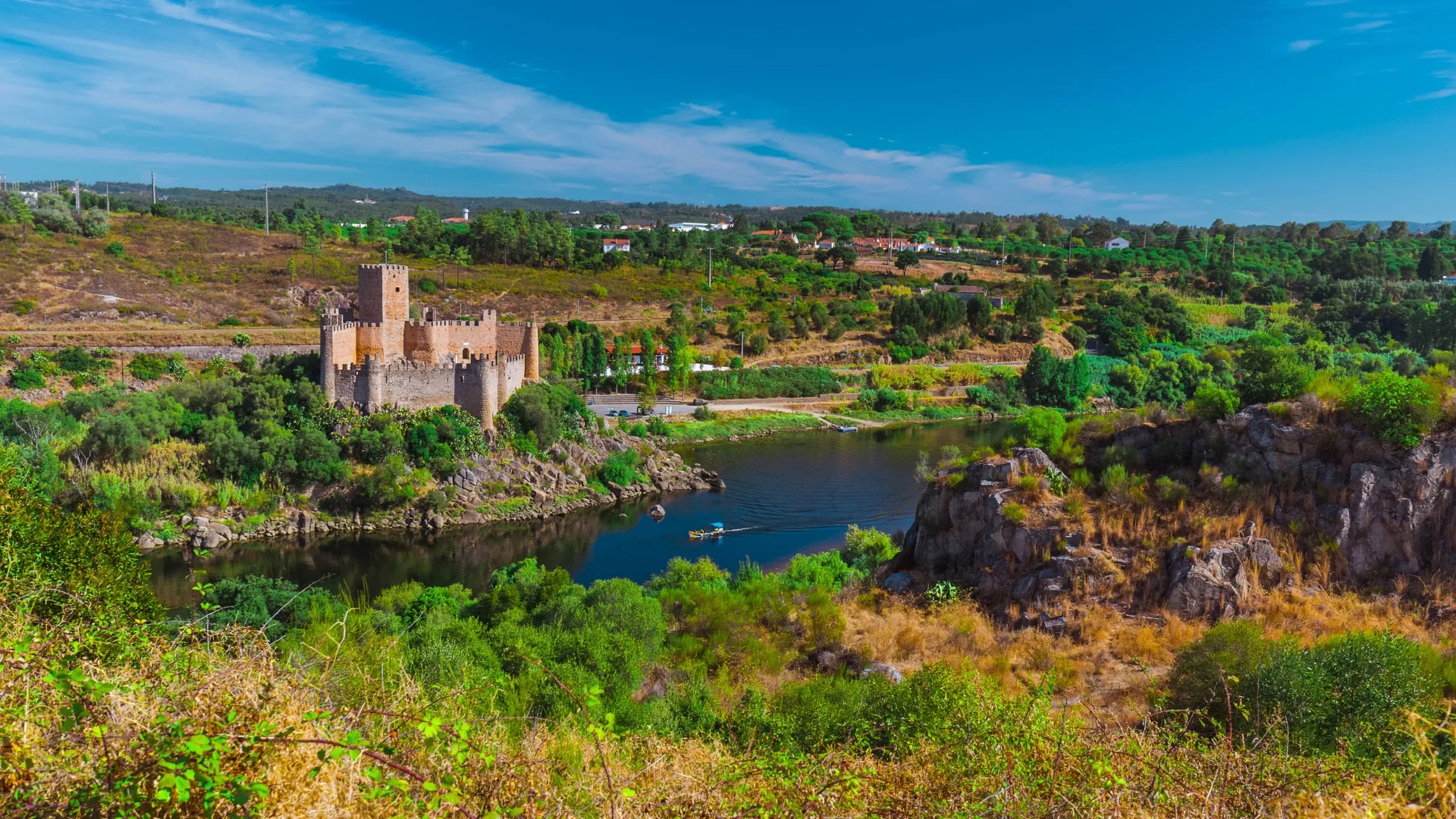
Not far from Tomar, in the Tagus River, stands one of the most breathtaking castles in Portugal. The Castle of Almourol rises from a tiny island like something out of legend. Its position alone makes it unforgettable. Surrounded by water and stillness, the fortress seems frozen in time.
Built by the Templars, Almourol was not just a military outpost. It was a symbol of spiritual isolation and protection. Standing at its towers, you feel suspended between worlds. Many say treasures passed through here. Some believe secrets are still hidden in its stones.
Other castles that guarded the Kingdom
The Templar presence in Portugal was strategic. Castles like Pombal and Soure were part of a defensive line established during the Christian reconquest of the territory. These fortifications helped secure borders and allowed the growth of towns and communities under the Templar banner.
They were not mere military posts. They were points of resistance and renewal. Places where stone met faith and where the idea of a Portuguese nation was defended by those who believed in something greater than themselves.
The Order of Christ and the Portuguese Discoveries
What truly sets Portugal apart in the Templar story is how the Order evolved. While the rest of Europe buried its legacy, Portugal channelled it into something new. Under the Order of Christ, the Templar mission transformed into global ambition.
It was this Order that supported the maritime explorations of the fifteenth and sixteenth centuries. Prince Henry the Navigator, one of the key figures in the Age of Discoveries, was the Grand Master of the Order. Under his guidance, ships sailed with the Cross of Christ on their sails. The same symbol that once defended pilgrims now led explorers to unknown lands.
The Templar influence shaped not only the spiritual landscape of Portugal but also its presence in the world. What began as a sacred order became the backbone of an empire that would leave marks across continents.
A legacy that still breathes
Today, walking through Portugal is walking through the footsteps of the Templars. Their influence is not only seen in grand monuments but also in symbols discreetly carved into old buildings, in the layout of medieval towns, and in the stories told by those who remember.
Portugal is the only country where the Templars were never extinguished. Their transformation into the Order of Christ allowed their knowledge, discipline and ideals to survive. Some say their rituals inspired secret societies. Others believe that their greatest treasures remain hidden. One thing is certain the legend is alive.
Discover the Templars with Tugatrips
At Tugatrips, we do more than show you beautiful places. We tell stories that shaped nations. Our tours to Tomar, Almourol and other key Templar sites are guided by experts who bring history to life with passion, accuracy and heart.
Whether you are fascinated by medieval orders, curious about Portugal’s spiritual roots or simply seeking an unforgettable cultural experience, our Templar Tour is designed for you. Let us take you beyond the surface. Let us walk with you through stone corridors and riverfront castles. Let us show you the Portugal that only the Templars knew.
Book your Templar experience with Tugatrips and become part of the story. The legend is waiting.
FAQ
1. Who were the Templars and what was their role in Portugal?
The Templars were a medieval religious-military order. In Portugal, they helped defend the territory during the Reconquista and built castles across the country with royal support.
2. Where can I see Templar sites in Portugal?
Top sites include the Convent of Christ in Tomar, Almourol Castle, Pombal Castle, and Monsanto Castle — all with strong Templar connections.
3. What is the Convent of Christ and why is it important?
Located in Tomar, it was the headquarters of the Templars in Portugal. It’s a UNESCO World Heritage Site known for its round Charola and ornate Manueline architecture.
4. Were the Templars persecuted in Portugal like elsewhere in Europe?
No. King Dinis protected them and created the Order of Christ, which absorbed their assets and continued their mission.
5. What is the link between the Templars and the Portuguese Discoveries?
The Order of Christ, successor to the Templars, played a key role. Prince Henry the Navigator was Grand Master and funded exploration using their resources.
6. Are there any legends or mysteries about the Templars in Portugal?
Yes. Stories include hidden treasures, secret symbols, and mystic rituals, especially in Tomar, known for its esoteric architecture.
7. How can I visit the main Templar sites in Portugal?
Join a guided tour to Tomar, Almourol, and other Templar locations. Expert guides explain the history and mysteries of the order.