Travel Documents and Entry Requirements for Portugal in 2025: What You Need to Know Before You Travel
Planning a trip to Portugal in 2025?
Whether you are dreaming of sipping wine in the Porto, wandering through Lisbon’s cobbled streets, or relaxing on the Algarve coast, getting your travel documents right is the first step toward a stress-free experience. Here's what you should know before you pack your bags.
What do you need to enter Portugal?
To enter Portugal, most travelers need a valid passport and, depending on nationality, possibly a visa or travel authorization. Portugal is part of the Schengen Area, so entry requirements are similar to other European countries.
At minimum, ensure:
• A valid passport (with at least 3 months validity beyond your stay)
• A visa or ETIAS (depending on your country)
• Proof of accommodation or return ticket may be requested
Do you need a Visa to enter Portugal?
Portugal is part of the Schengen Area. Visa rules vary depending on your nationality. Here's a quick breakdown:
United States Citizens
No visa needed for up to 90 days within any 180-day period. Passport must be valid for at least 3 months beyond the intended departure date. Starting mid-2025, ETIAS travel authorization will be required.
United Kingdom Citizens
Post-Brexit, UK passport holders are subject to the same 90/180-day Schengen rule. No visa is required for tourism or business. ETIAS will also apply.
Brazilian Citizens
Brazilians can enter Portugal without a visa for up to 90 days. A valid passport and proof of onward travel or accommodation may be required.
Schengen Area Countries
Citizens of EU, EEA, and Switzerland can enter Portugal using just a national ID card or passport. No visa or special entry documents are needed.
Other Nationalities
Citizens from India, China, South Africa, Nigeria, and others must apply for a Schengen Visa before traveling. Applications must be submitted at the Portuguese consulate or embassy in your home country.
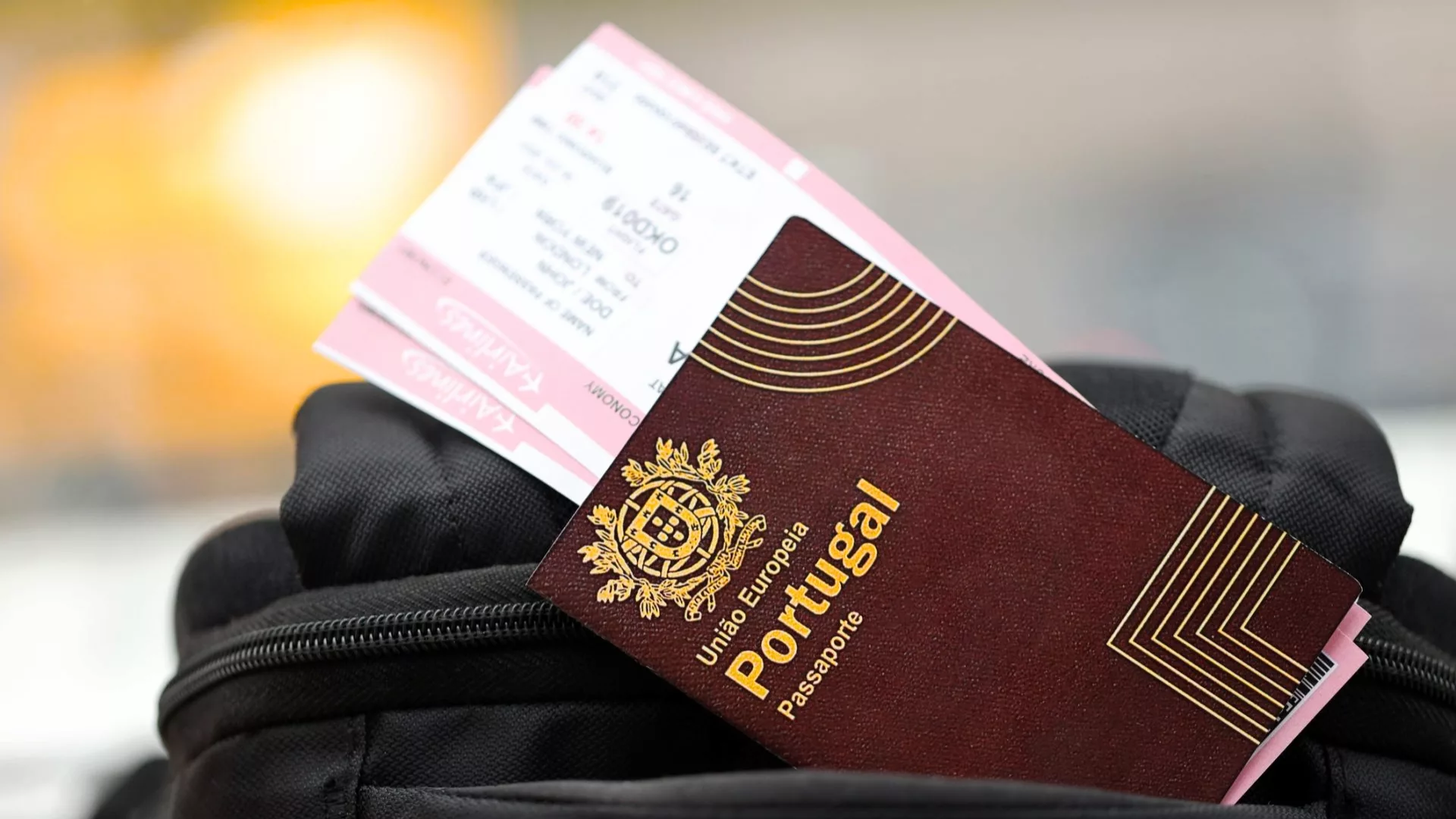
What is ETIAS and do you need it?
ETIAS stands for European Travel Information and Authorization System. It’s not a visa, but a required pre-travel authorization for visa-exempt travelers visiting the Schengen Area.
• Applies to citizens from over 60 visa-free countries
• Launch expected in mid-2025
• Cost: approximately 7 euros
• Valid for 3 years or until passport expiration
You’ll apply online and receive approval via email. Once approved, you can travel freely in the Schengen Area.
Additional Travel Documents you may need
For Minors Traveling Alone or With One Parent
• Letter of consent from the absent parent(s)
• Legalized and translated when necessary
Proof of Travel Insurance
Travel insurance is mandatory for travelers applying for a Schengen visa. However, even if you are not required to have it, it is highly recommended. Your insurance should include coverage for emergency medical care, accidents, repatriation, and preferably trip cancellation. Medical care in Portugal is of good quality but private services can be expensive without insurance. Think of it as an investment in peace of mind. Schengen Visa applicants must show insurance covering:
• Minimum of 30,000 euros
• Valid in all Schengen countries
• Medical emergencies and repatriation included
Proof of Funds
You may be asked to show financial proof for your stay. This could include:
• Credit card statements
• Cash
• Hotel reservations and itinerary

What about digital changes in immigration?
The European Union is also preparing to roll out the Entry Exit System, which will replace traditional passport stamps with digital registration at borders. This aims to reduce fraud, prevent overstays, and speed up entry across member states. Biometric checks such as fingerprints and facial scans may soon become standard at automated gates in airports.
Making your arrival easier
Arriving in a new country can be overwhelming. The airport is unfamiliar, the signs may be in Portuguese, and after a long flight, standing in taxi queues or struggling with luggage is the last thing you want. Pre-booking a transfer is a smart choice, especially if you are arriving late or with family. A pre-arranged pickup ensures someone is there to greet you and take you directly to your accommodation, avoiding confusion, delays, and price negotiations with unfamiliar drivers.
During your first hours in Portugal, it also helps to have someone who knows the local rhythm. Small details, such as when to present documents at a hotel, how to validate metro tickets, or which times to avoid queues at major landmarks, can save you time and stress. Understanding how things work locally transforms the start of your trip into a moment of enjoyment rather than disorientation.

Tips to avoid entry issues at the Border
• Keep a printed copy of your return ticket and hotel bookings
• Double-check passport expiry date
• Avoid overstaying the 90-day limit
If traveling to multiple Schengen countries, enter through the country that issued your visa.

Ready to experience Portugal stress-free?
If you want to ensure your arrival in Portugal is as smooth and welcoming as the rest of your stay, Tugatrips offers private transfers from airports and ports in Lisbon, Porto, and the Algarve, so you can begin your journey comfortably and without worries. And when you’re ready to dive into Portugal’s rich history, vibrant culture, and breathtaking scenery, our curated tours and day trips take you straight to the heart of what makes this country unforgettable.
Book your private transfer here.
Explore castles, coastlines, vineyards, or hidden local gems with professionals who know where to go, when to go, and how to get there. Whether it’s your first time in Portugal or your fifth, we’ll help you discover something new every time.
If you’re planning day trips to places like Sintra, Cascais, Nazaré, or Évora, keep in mind that some of these destinations get very crowded during weekends or high season. Buying tickets in advance or joining a tour can help avoid long lines and ensure you get the most out of your time.
FAQ
Do I need a visa for Portugal as a US citizen?
No, unless you plan to stay over 90 days or work. From 2025, ETIAS will be required.
Can I enter Portugal with an ID card from another EU country?
Yes, EU citizens can enter using their national ID cards.
Is ETIAS already mandatory?
Not yet. It is expected to launch in mid-2025.
What if I overstay in Portugal?
Overstaying can result in fines, deportation and travel bans across Schengen countries.
Sources & References
All entry requirements, visa policies and ETIAS details in this article are based on the latest official sources:
Serviço de Estrangeiros e Fronteiras (SEF) Portugal: sef.pt
European Union Portal (Your Europe): europa.eu/youreurope
SchengenVisaInfo: schengenvisainfo.com
IATA Travel Center: iatatravelcentre.com
Official ETIAS website: travel-europe.europa.eu/etias
Government of Portugal (ePortugal.gov.pt): eportugal.gov.pt