

Évora is one of those rare cities that feels like someone pressed pause on time, yet in the most delightful way. Lying in the heart of Alentejo and designated a UNESCO World Heritage Site, Évora blends Roman ruins, Moorish echoes, medieval cathedrals and whitewashed streets with a vibrant food scene and the quiet beauty of the countryside. If you wander through its lanes, taste the local wine and watch the golden light at sunset, you will understand why so many travellers fall in love with this city.
Originally called Ebora, the city played a central role in Roman Lusitania, later endured Moorish rule, was reconquered in the 12th century, and flourished especially in the 15th and 16th centuries, when it became a seat of Portuguese royalty. The Historic Centre of Évora, with its whitewashed houses, azulejos, iron balconies and blend of architectural styles, even inspired architects across the Atlantic in Brazil.
Ancient Stones and Living Myths
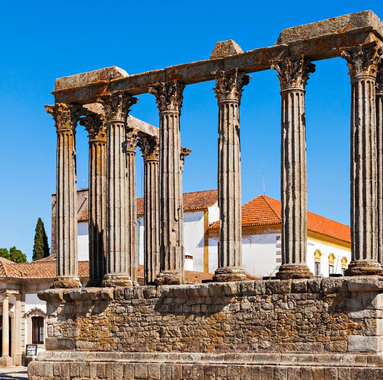
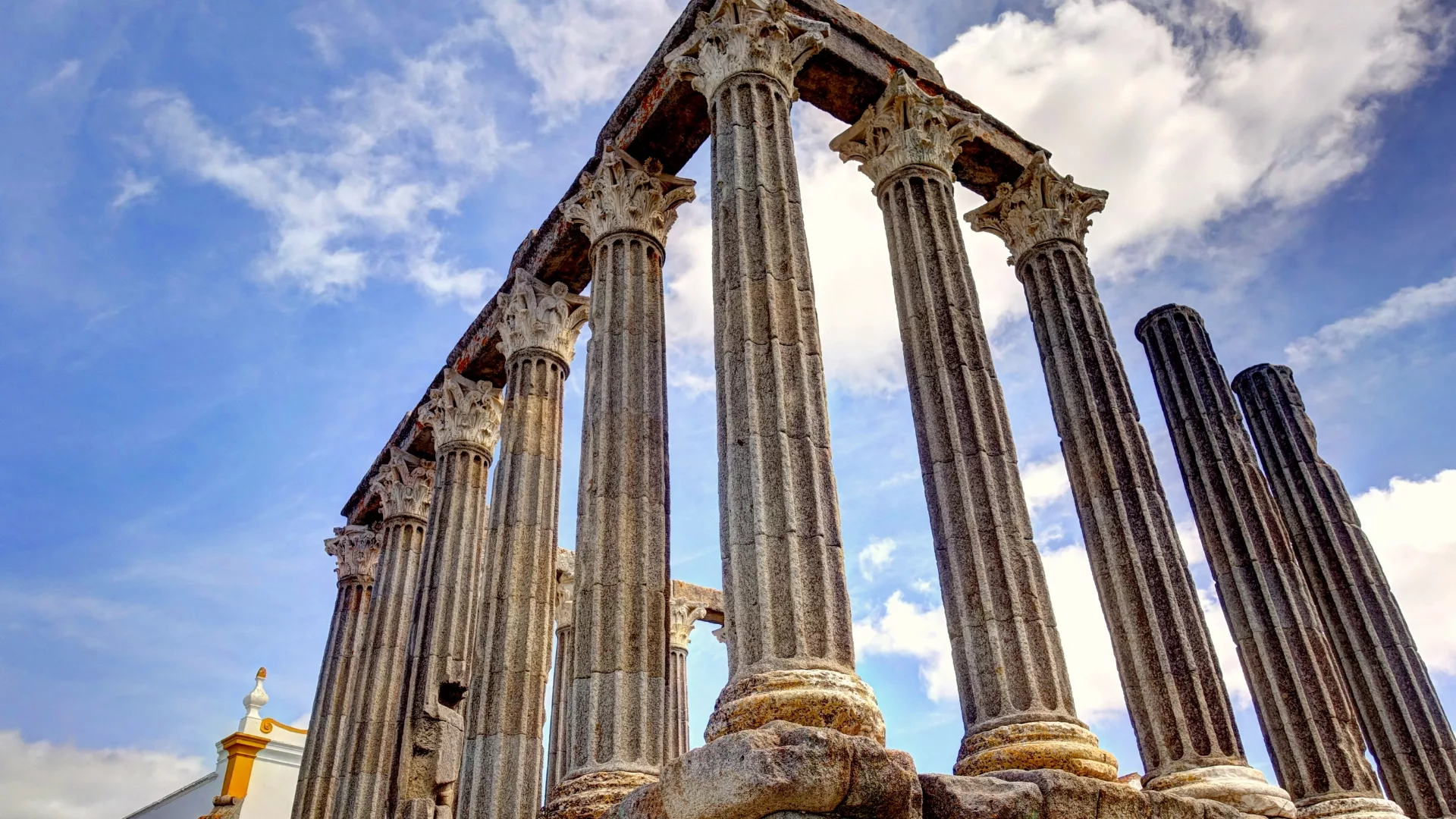
One of the first must-visits is the Roman Temple, often misnamed the “Temple of Diana.” Though romantic, this name is more tradition than fact, as the temple was most likely dedicated to the Emperor Augustus. Dating from the 1st to 3rd centuries AD, its Corinthian columns still stand proudly against the sky, carrying whispers of ancient empires.
Near the temple stands Évora Cathedral, begun in 1186 after the Christian reconquest and expanded over the centuries with Gothic, Manueline and Baroque influences. Climbing up to the terrace reveals a panoramic view over red rooftops, olive groves and the vast plains of the Alentejo. It was here that Vasco da Gama received the blessing before setting sail for India, a historically documented episode that gives the site a unique importance in the Portuguese maritime epic.
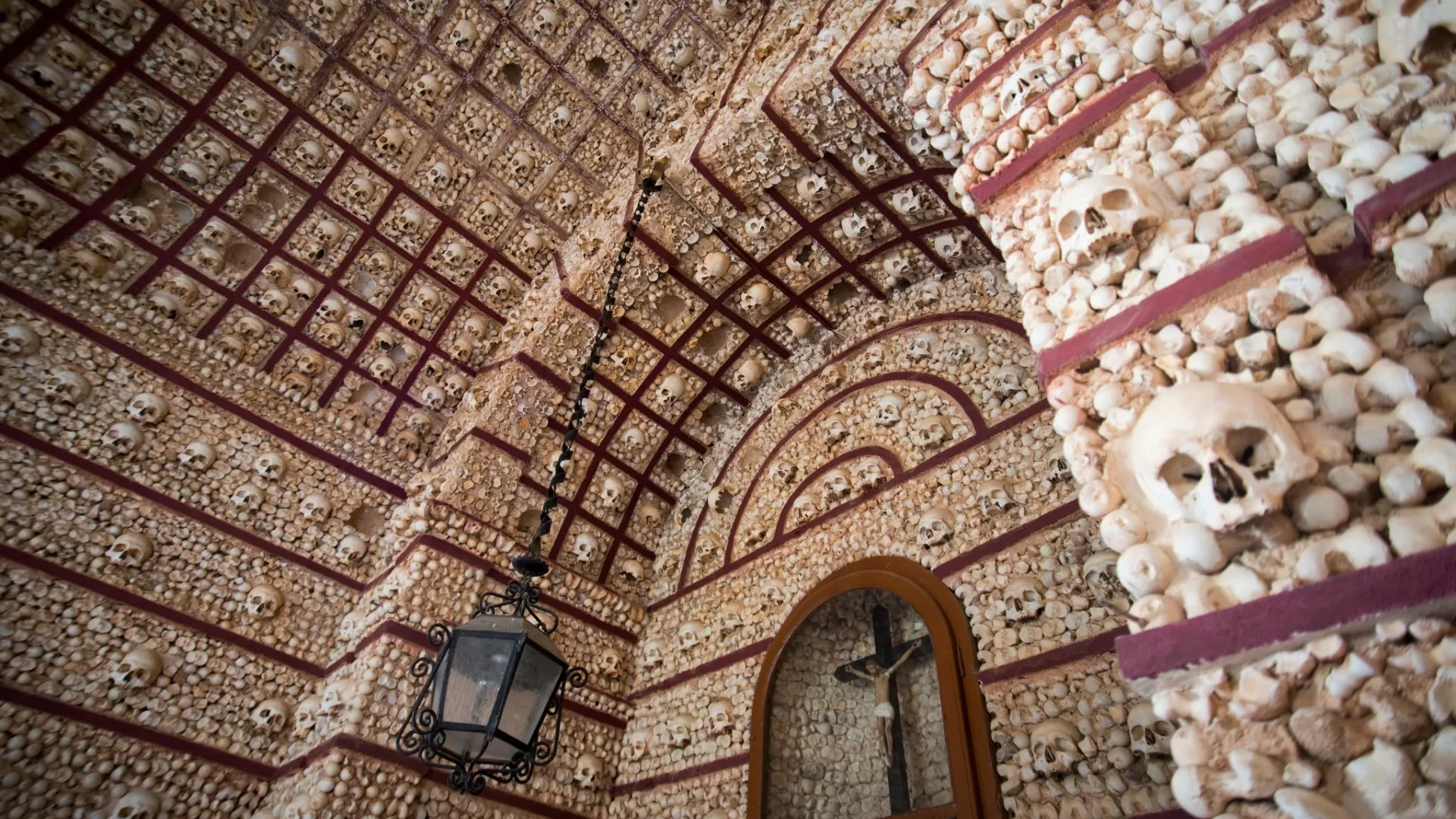
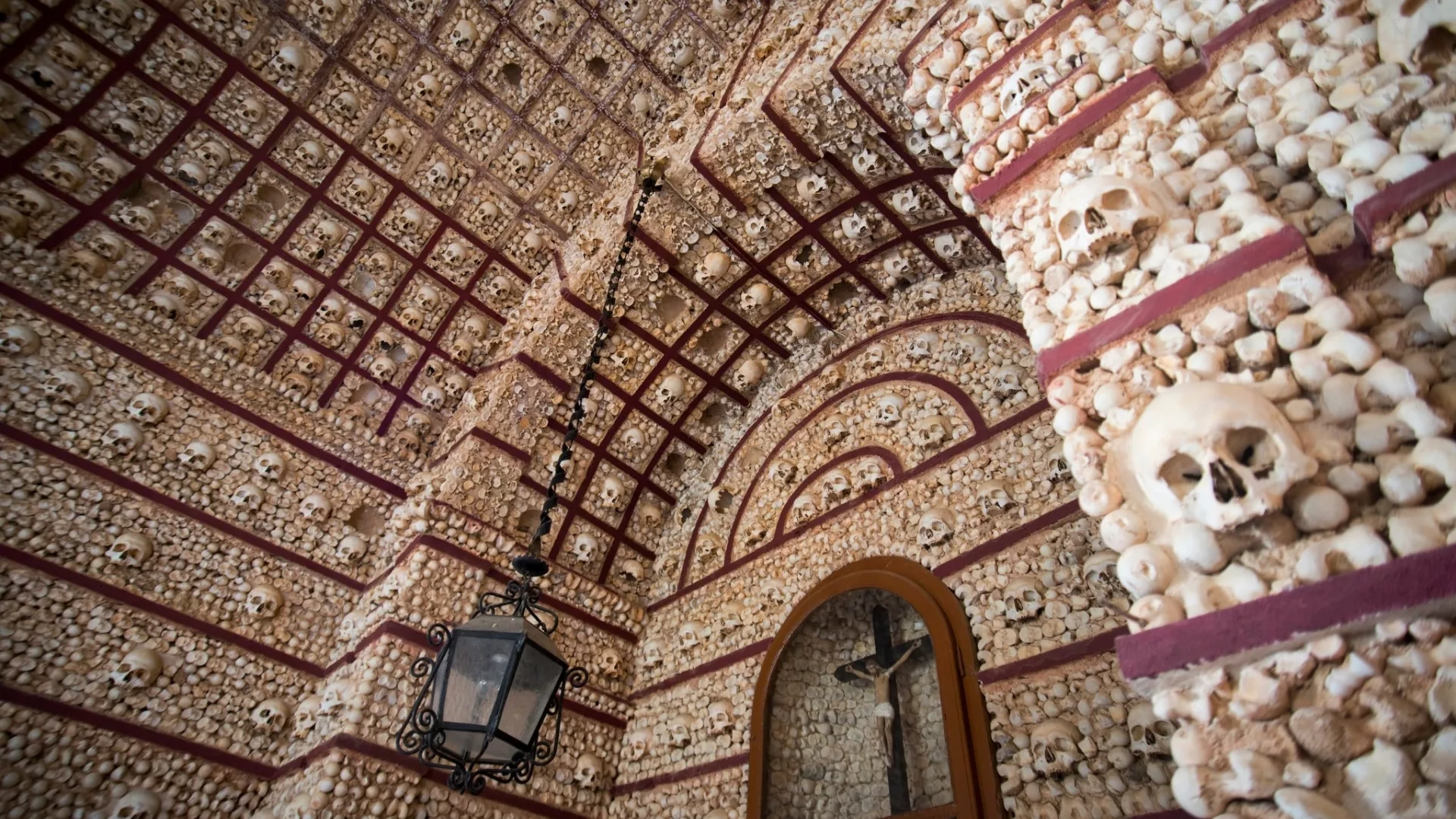
Not far from the cathedral lies one of Évora’s most haunting landmarks, the Capela dos Ossos (Chapel of Bones). Built in the 17th century by Franciscan monks, it incorporates the bones of around 5,000 people exhumed from local cemeteries. At the entrance, the chilling yet contemplative inscription reads: “Nós ossos que aqui estamos, pelos vossos esperamos” (“We bones here await yours”). Despite its macabre setting, the chapel evokes reflection rather than fear, making it one of the city’s most thought-provoking attractions.
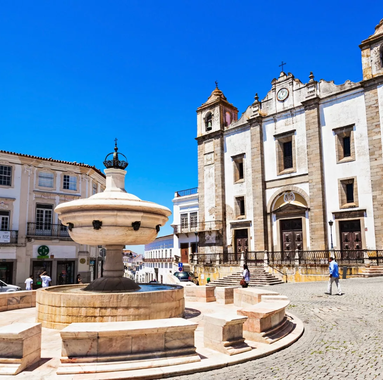
No visit to Évora is complete without experiencing the Praça do Giraldo, the bustling central square where locals gather at cafés, visitors stroll by, and history comes alive. From here, winding alleys lead to traditional whitewashed houses, artisan shops and restaurants serving Alentejo specialities such as sopa de cação, migas, ensopado de borrego, cheeses and the region’s world-renowned wines.
Beyond the City Walls: Megaliths and Wine
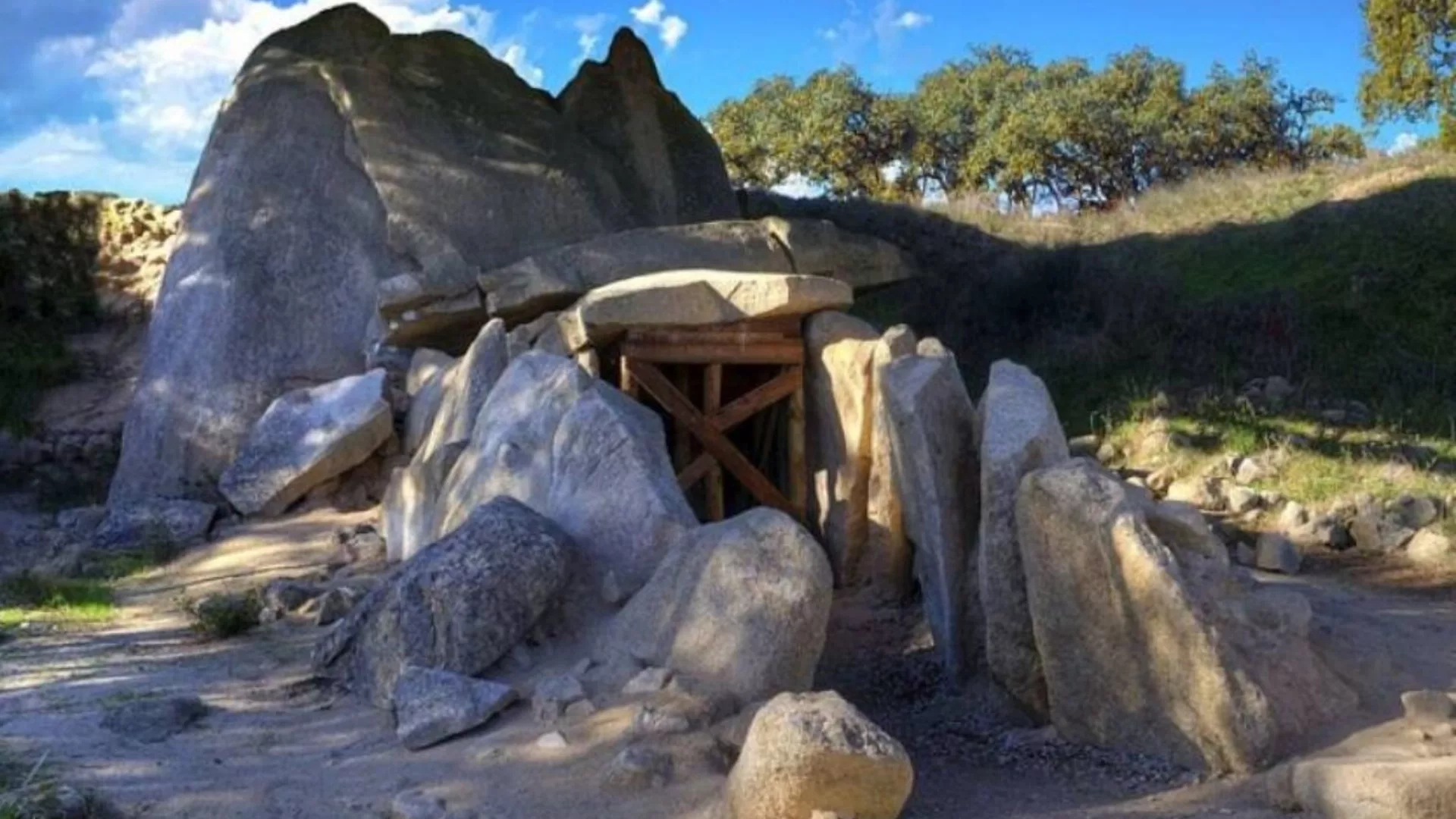
Step beyond Évora’s medieval walls and you will discover even older wonders. The Cromeleque dos Almendres, one of the largest megalithic complexes in Europe, is composed of over 90 stones aligned with astronomical events like solstices. Visiting at sunrise or sunset makes the site feel almost mystical. Another impressive prehistoric monument is the Anta Grande do Zambujeiro, a massive dolmen used for funerary rituals between 4000 and 3000 BC, which offers a rare glimpse into the spiritual life of ancient communities.
Évora also serves as an excellent base for exploring the Alentejo Wine Route (Rota dos Vinhos do Alentejo), home to dozens of wineries that welcome visitors for tastings and tours. A highlight is Cartuxa Winery, just outside the city, where you can explore historic cellars, learn about winemaking traditions and sample the region’s bold reds and smooth whites in a serene setting.
Climate, Best Time & Practical Tips
Évora enjoys a Mediterranean climate with hot, dry summers and mild, wetter winters. Temperatures often climb above 33 °C in July and dip to 5–6 °C in January, with rainfall more common in December.
The best times to visit are spring (April to June) and early autumn (September to October) when the weather is pleasantly warm, vineyards are at their most active and the city is less crowded.
When travelling in Évora it is wise to wear comfortable walking shoes, since cobbled streets are everywhere. Always carry sun protection and enough water in summer, and remember to dress modestly if entering churches or chapels. While many monuments require a small entrance fee, iconic landmarks like the Roman Temple and the Praça do Giraldo can be visited free of charge. If you plan to experience wine tourism, make sure to book your tastings in advance, especially at renowned wineries such as Cartuxa, where demand is high.
FAQ
1.How many days do you need in Évora?
One day allows you to see highlights such as the Roman Temple, the Cathedral, the Chapel of Bones and Praça do Giraldo, but staying two days gives you time to explore megalithic sites, enjoy wine tastings and embrace the slower rhythm of the Alentejo.
2.Is Évora a good day trip from Lisbon?
Yes, Évora is only around 90 minutes by car from Lisbon, making it one of the best day trips in Portugal. Many travellers book private transfers or guided tours to save time and enjoy the scenery along the way.
3.What is the best time of year to visit Évora?
The ideal seasons are spring and early autumn, when the weather is mild and pleasant. Summer can be extremely hot, while winter is cooler and quieter but still enjoyable for sightseeing.
4.Do you need to pay entrance fees at Évora’s monuments?
Some landmarks such as the Cathedral cloisters, terrace and the Chapel of Bones charge small entrance fees. Others, like the Roman Temple and Praça do Giraldo, are free to explore.
5.Can you visit the megalithic sites without a car?
It is difficult, as the Cromeleque dos Almendres and the Anta Grande do Zambujeiro are located outside the city. A car, private transfer or guided tour is the most convenient way to reach them.
6.What food is Évora famous for?
Évora is renowned for traditional Alentejo cuisine, with specialities such as açorda de alho (garlic bread soup), sopa de cação, migas served with pork, regional cheeses, olive oil and of course the celebrated Alentejo wines.
7.Is Évora suitable for families with children?
Yes, Évora is a family-friendly destination, with open spaces, Roman ruins and city walls that children often enjoy. The Chapel of Bones might be unsettling for very young children, but overall Évora is safe, walkable and welcoming to families.